
Start the day right with this English muffin breakfast sandwich! It's loaded with eggs, cheese, and sausage patty for a delightful bite.

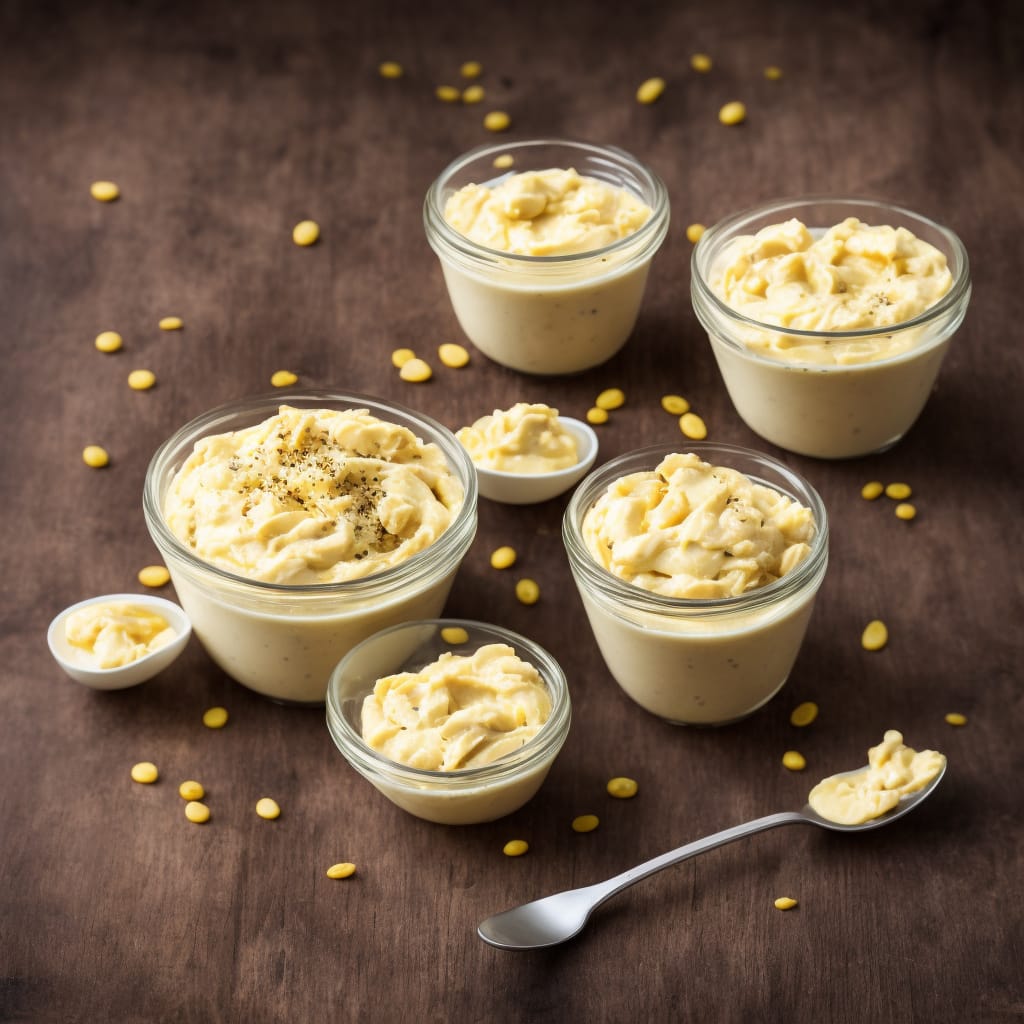
Treat your taste buds to a soft and melt-in-your-mouth dessert with this boiled custard. It's made with milk and sugar for a mellow bite.
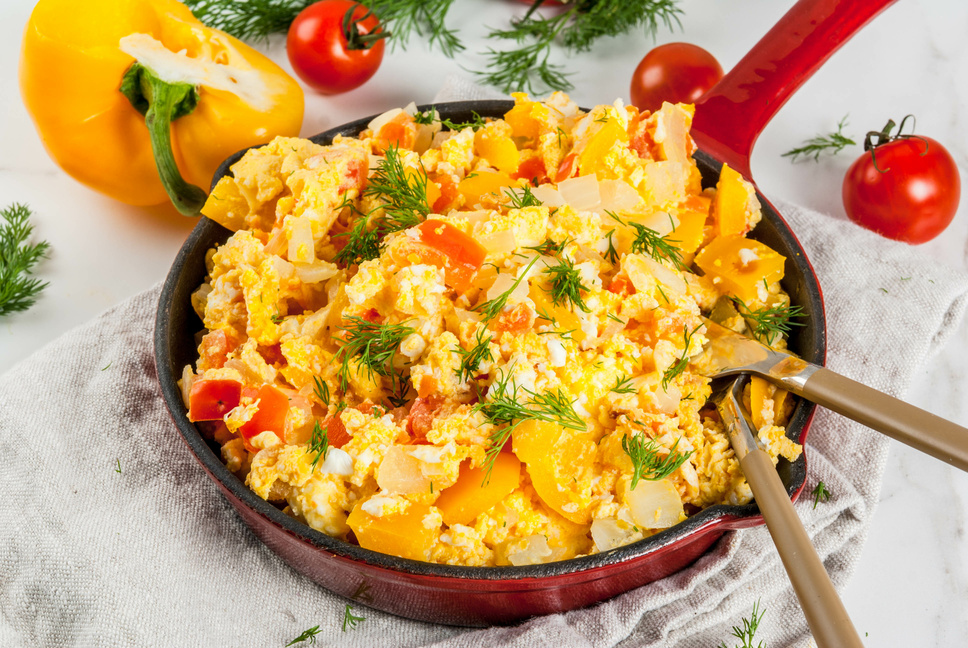
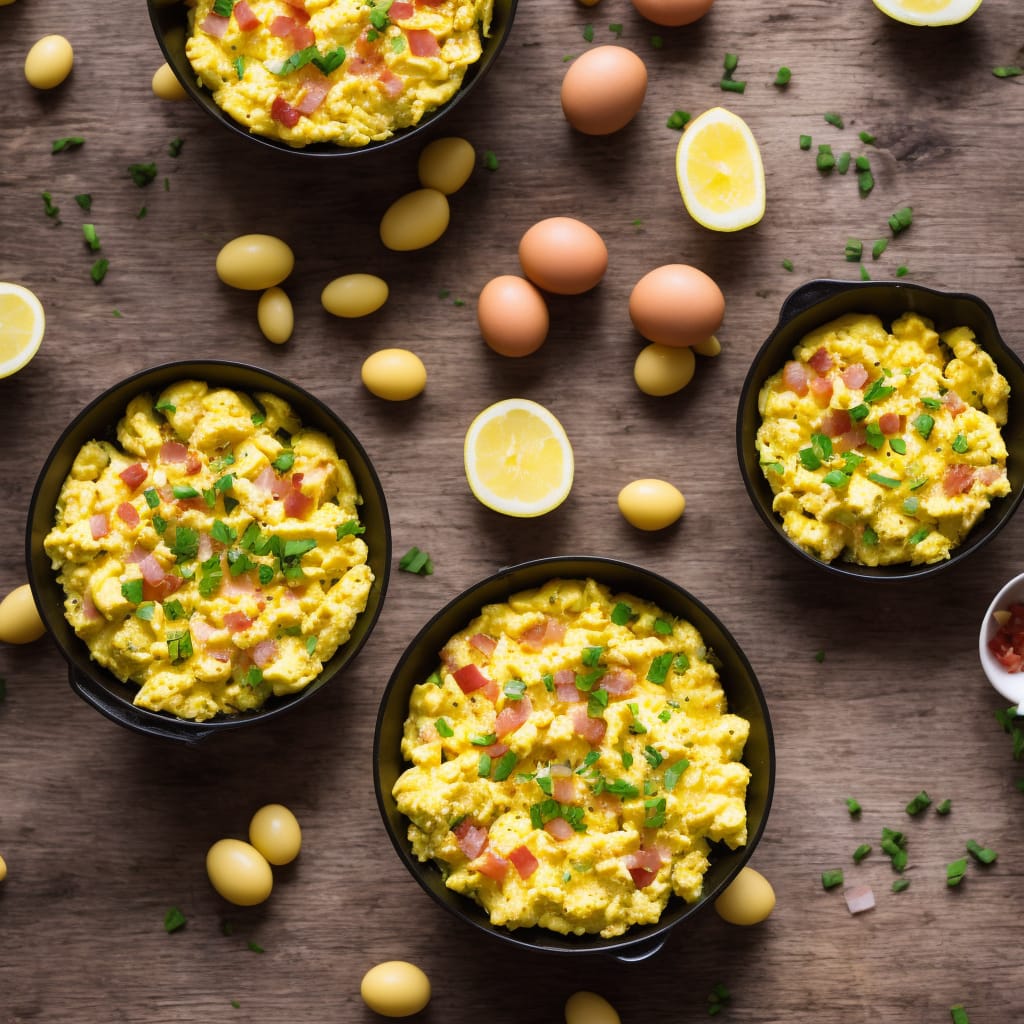
These Mexican scrambled eggs or huevos a la Mexicana will brighten up your mornings! It's made with jalapeno, tomatoes, and onions.
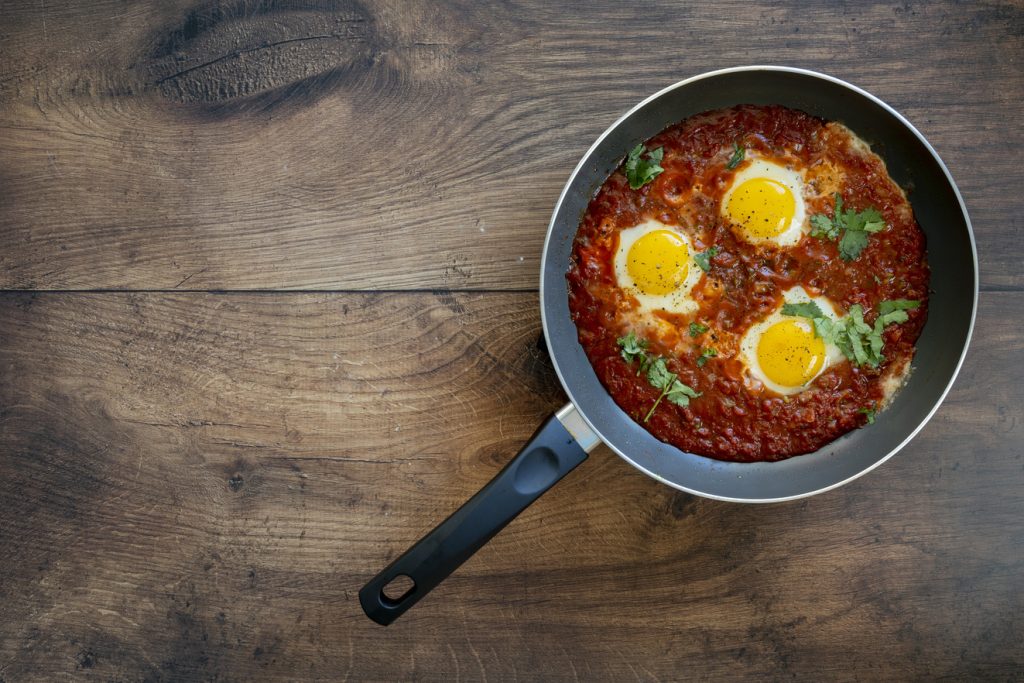
Up your breakfast eggs game with this hearty Mexican huevos ahogados. The runny eggs are submerged in a rich and flavorful salsa.
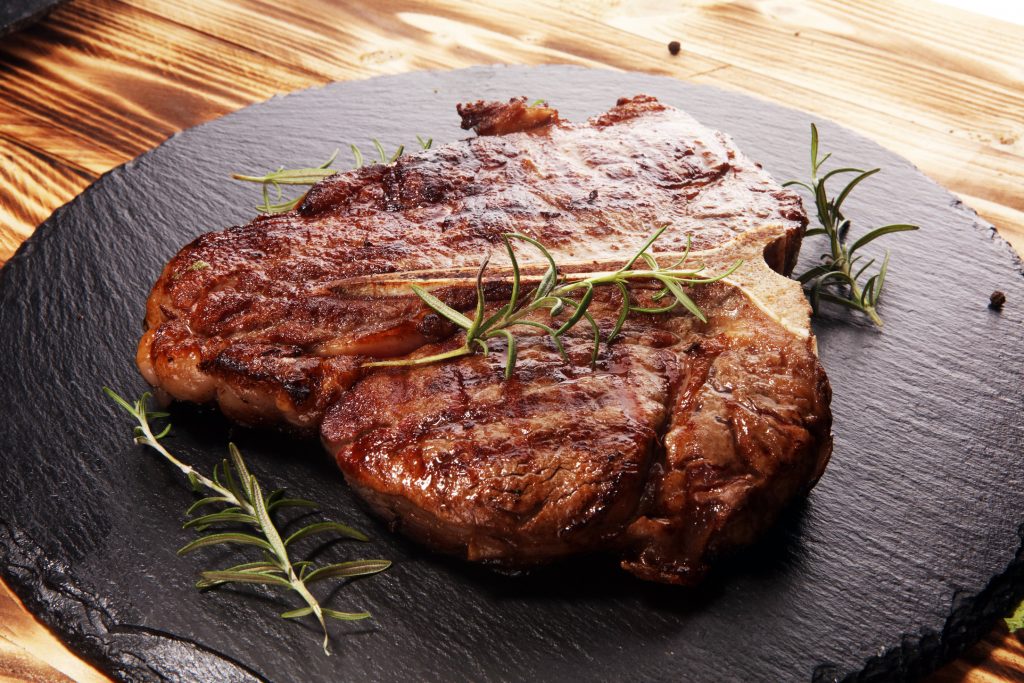
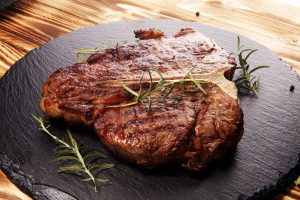
Have an indulgent breakfast with this breakfast t bone steak. It is served with fried eggs. This is perfect for meat-loving people.
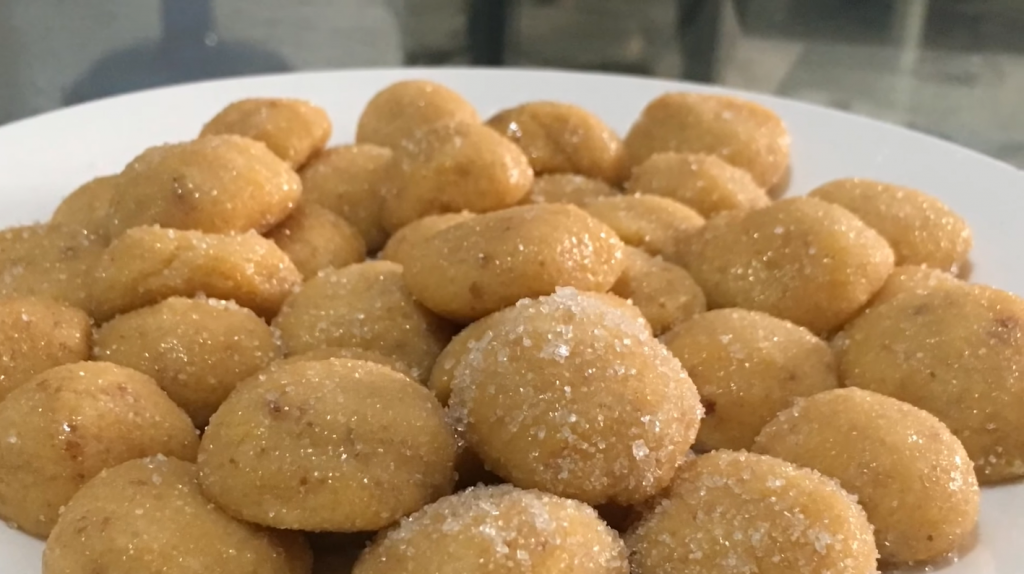
Yema is the Spanish word for egg yolks. In the Philippines, it is the name for a candy made of egg yolks, condensed milk, and butter.
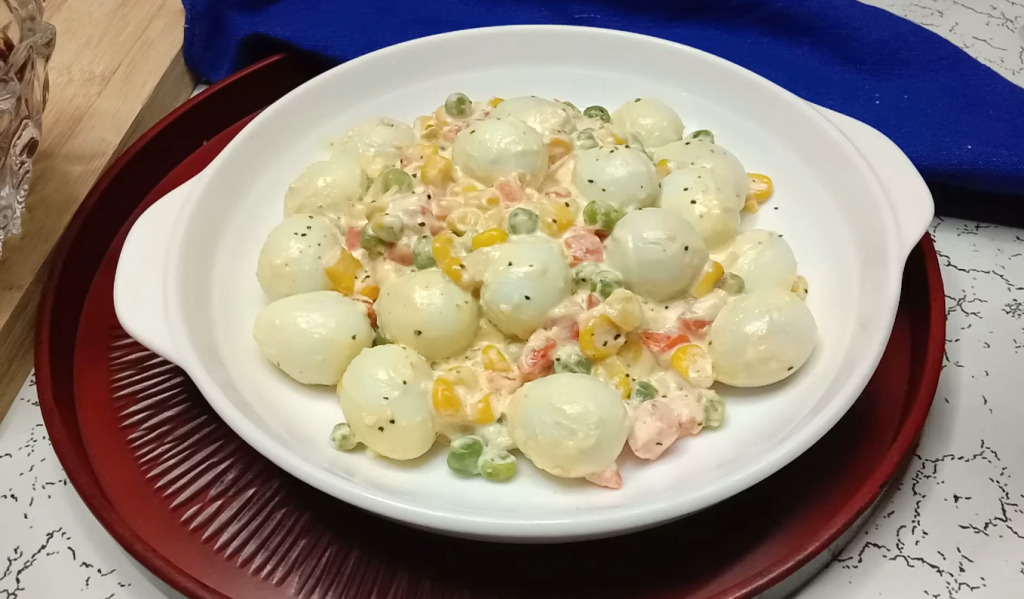
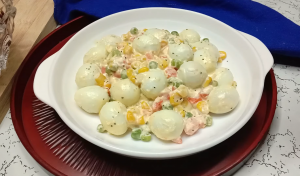
This deviled quail eggs recipe is a great appetizer dish to have on hand. They make the perfect bite-sized treat that will surely be a hit at any party.
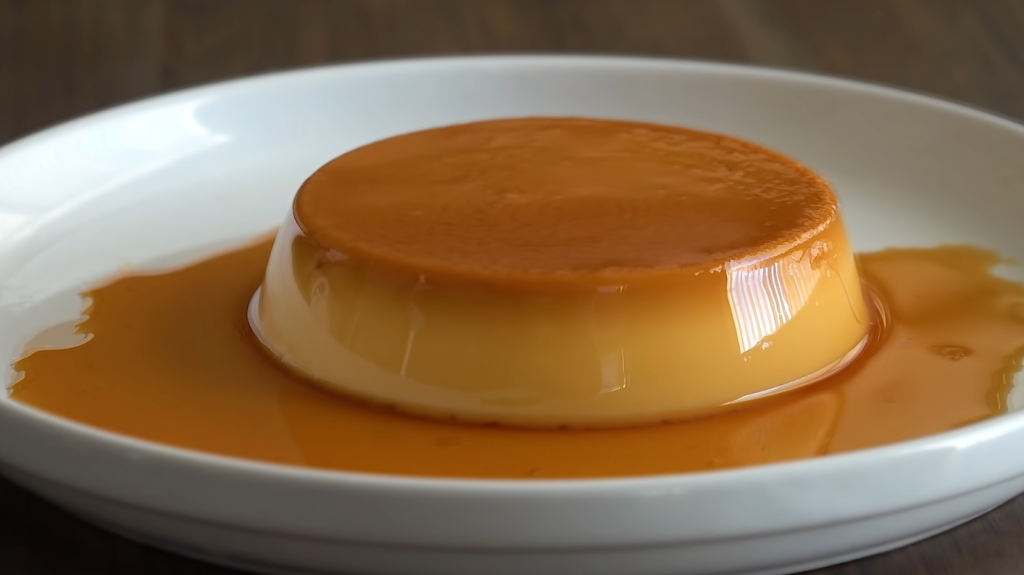
Flan receta is a rich, custardy, and caramel-filled dessert that needs just 5 ingredients. You'll love how it's delicious and so easy to prep and cook.

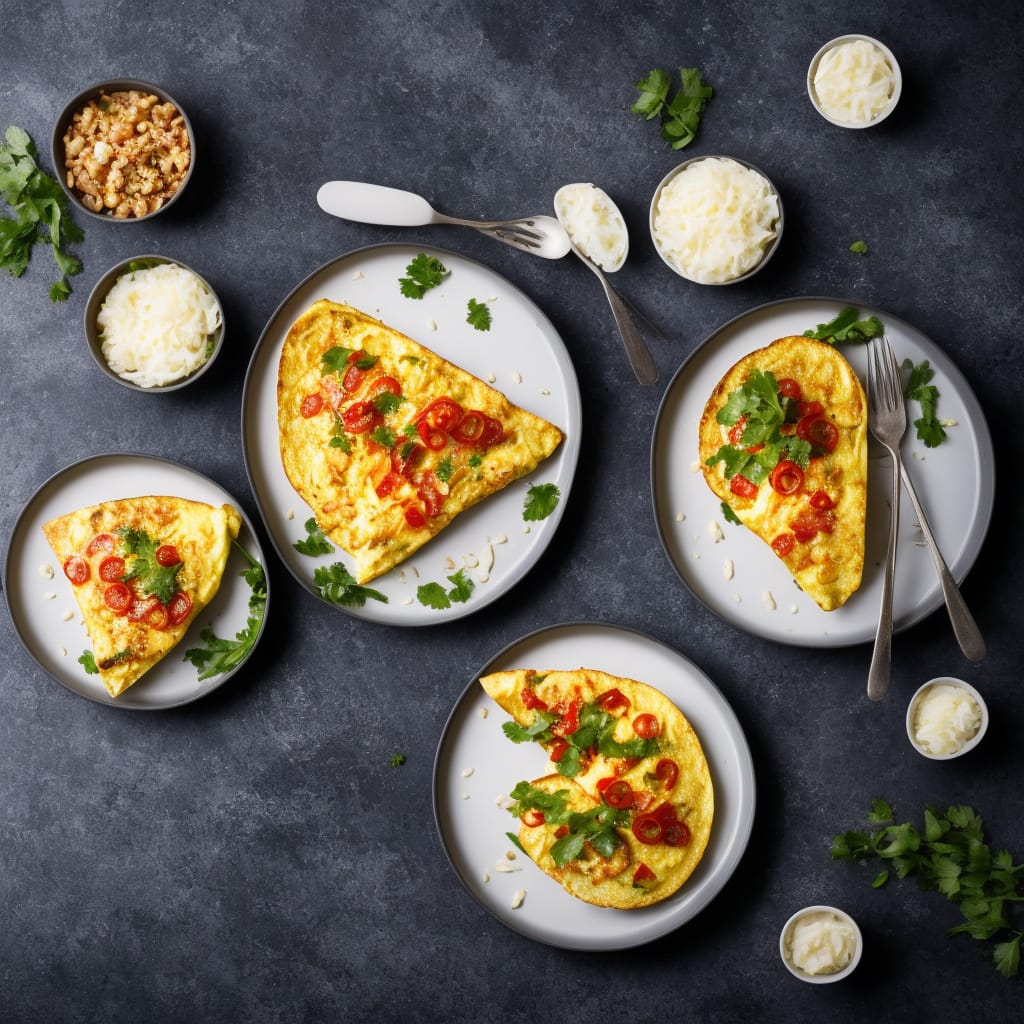
Take your usual egg dish to the next level with this crab omelette recipe. Start your day on an indulgent note with this easy dish.
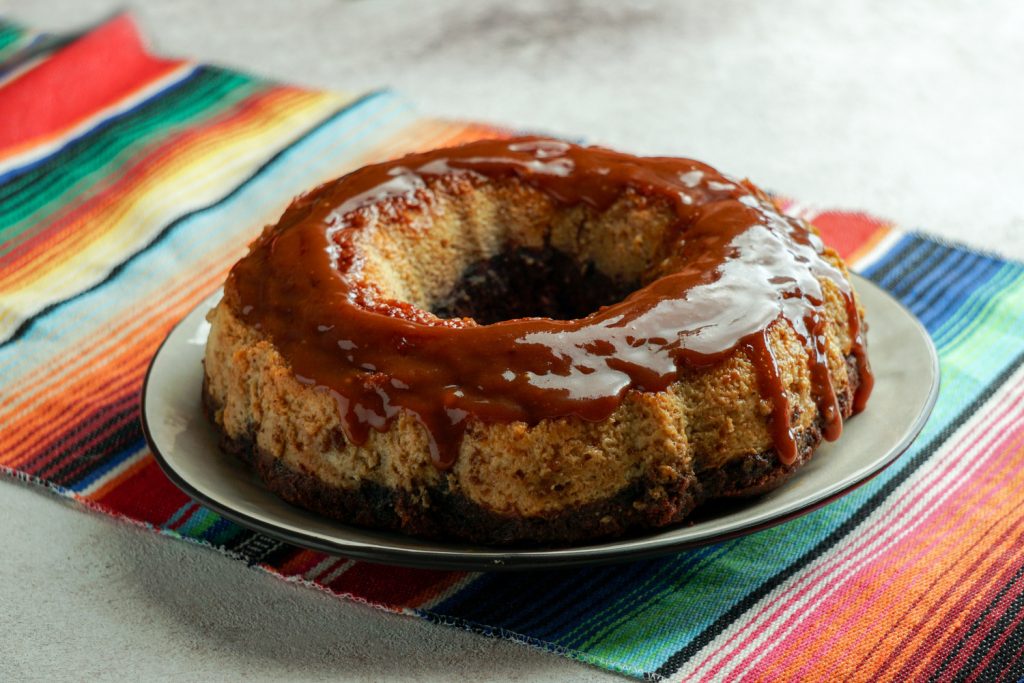
Rich and decadent are two words that probably best describe this chocoflan. This dessert has a chocolate cake layer and a custard layer too.
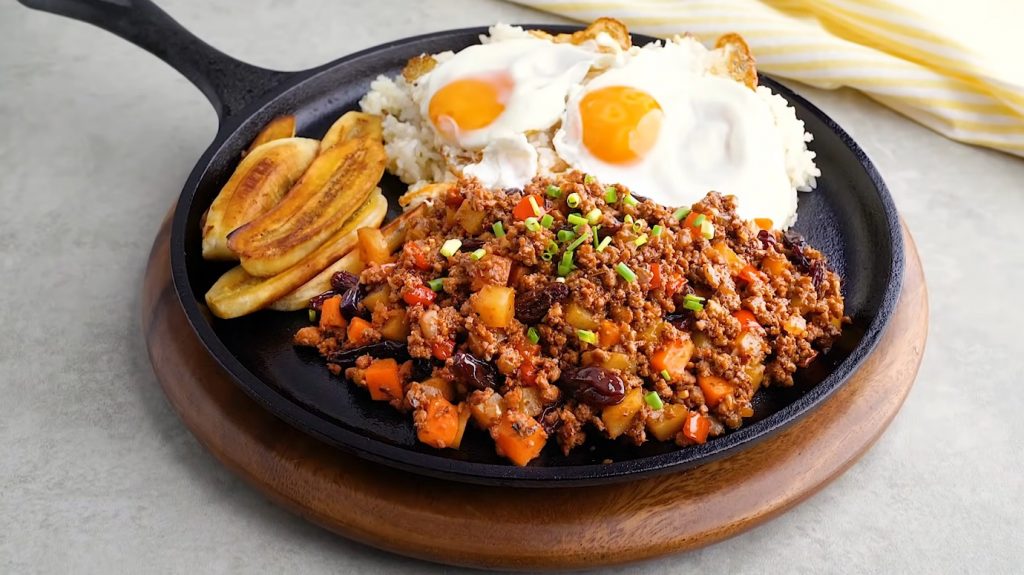
Inspired by the Spanish dish, this arroz cubana recipe incorporates some Filipino flavors. It has ground pork and beef with veggies in tomato sauce.
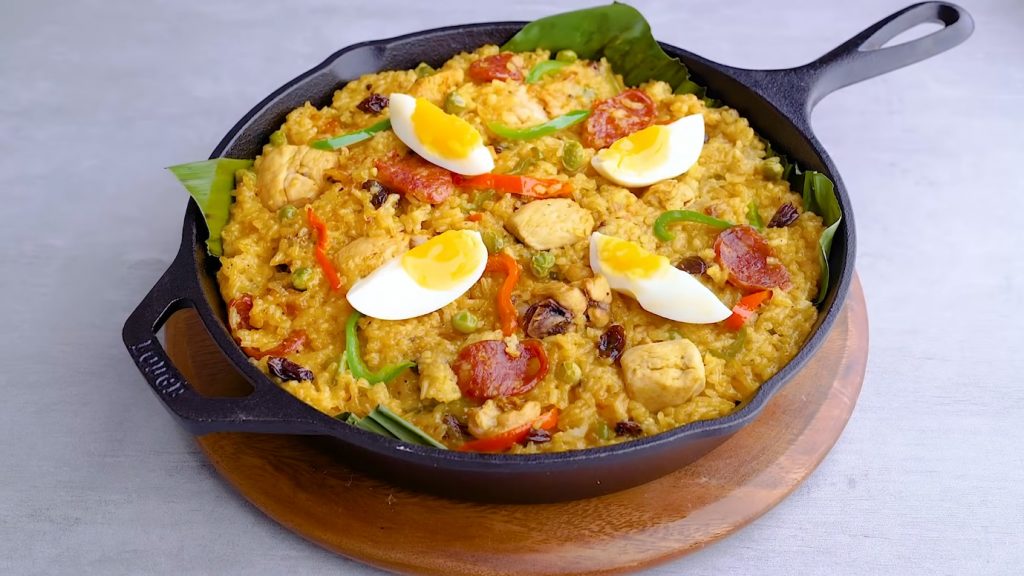
Arroz Valenciana is a Filipino rice dish similar to the Spanish paella. It uses sticky rice, coconut, milk, vegetables, chicken, and more.

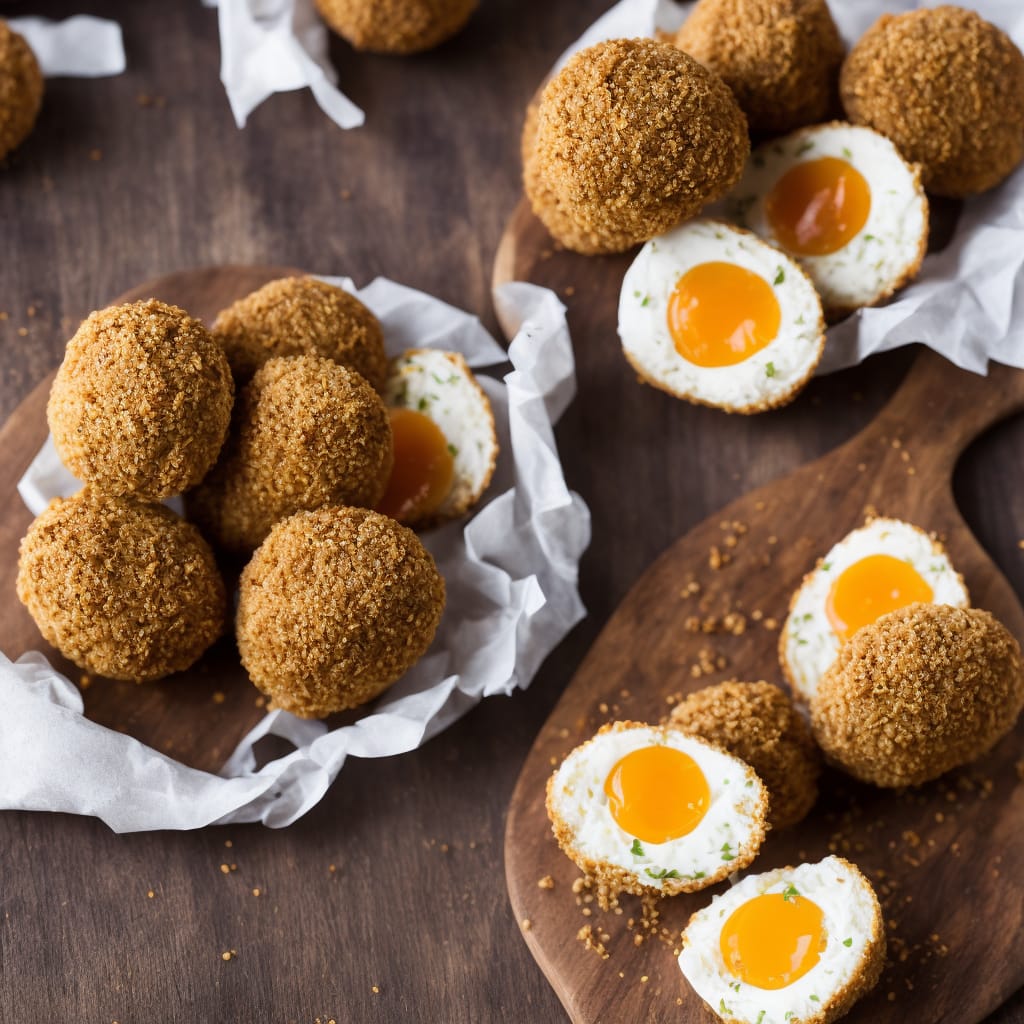
If you're looking for a new way to have eggs, then you should try this kwek kwek recipe. Quail eggs are boiled then deep-fried with batter.

It might sound strange, but this Vietnamese egg coffee is deliciously different. Egg yolk and condensed milk are whipped then used to top hot espresso.
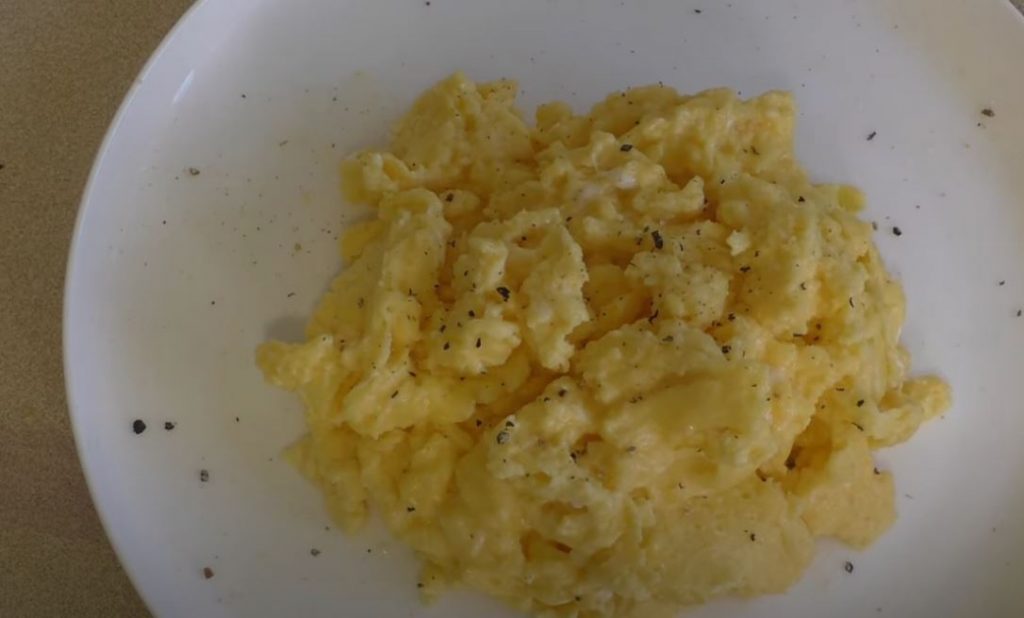
You can never go wrong with a good recipe for scrambled egg cheese. This six-ingredient recipe has cheddar, ham, and green onions in one delicious dish.

Take out the meat and swap out something lighter with this egg burger recipe. This recipe is completely customizable according to your tastes!